

The Procedure
Otoplasty or cosmetic ear surgery is done for repositioning/“tucking” prominent ears or asymmetric ears to make them less noticeable or less projecting. This may also include addressing large or improperly folded or malformed ears, to create a more proportional size, and pleasing naturally appearing ears. If you have been teased or are bothered by the way your ears stick out from your head, or if you have ear deformities due to birth defects or injury, then otoplasty can help change the shape, size, and position of your ears without affecting your hearing. Achieving symmetry and a more “normal” appearing ear helps boost self-esteem, and readily permits ponytails, or hairstyles that showcase the ears.
This procedure is commonly performed in both children and adults. Usually children should be at least 5 years old, which corresponds to the time of increased peer-to-peer interactions (kindergarten) and the ear size is near 70-80% of adult size at this time. Otoplasty (ear pinning) may be needed to correct prominent ears and/or congenital abnormalities that lead to a child being teased or bullied in school. This can cause greater psychological effects in a child, which is why ear pinning at an early age when body consciousness is not yet fully set-in is advisable. Older children, or adults may also seek this procedure and recover quickly as well. In some young infants (“neonates”) improperly folded ears can be molded into normal position. If you are concerned about your newborns ear, please ask us about ear molding as well. (this only works for the first couple months of life).
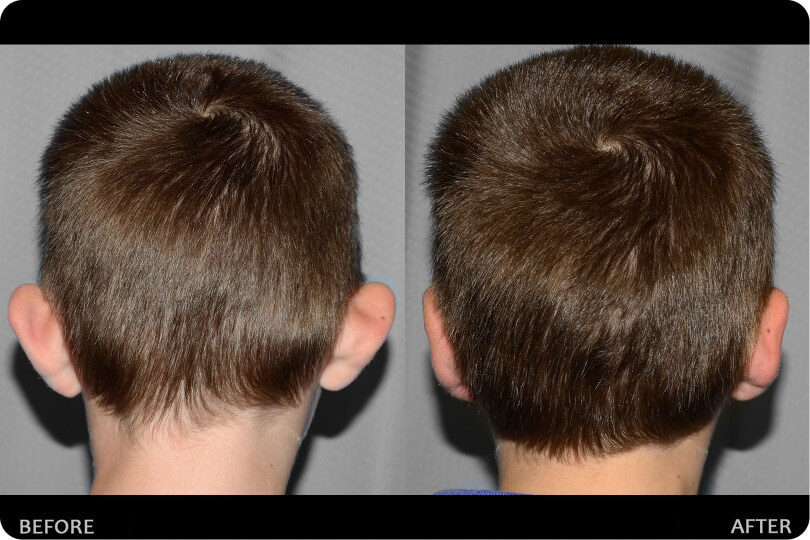
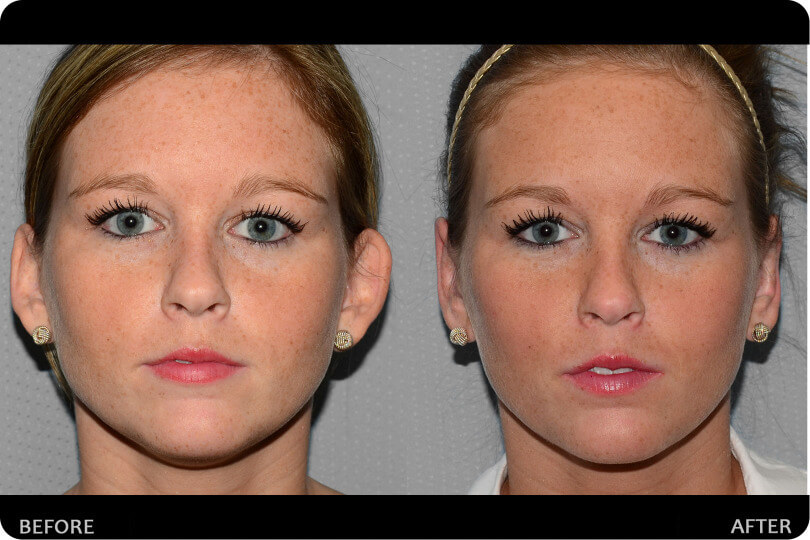
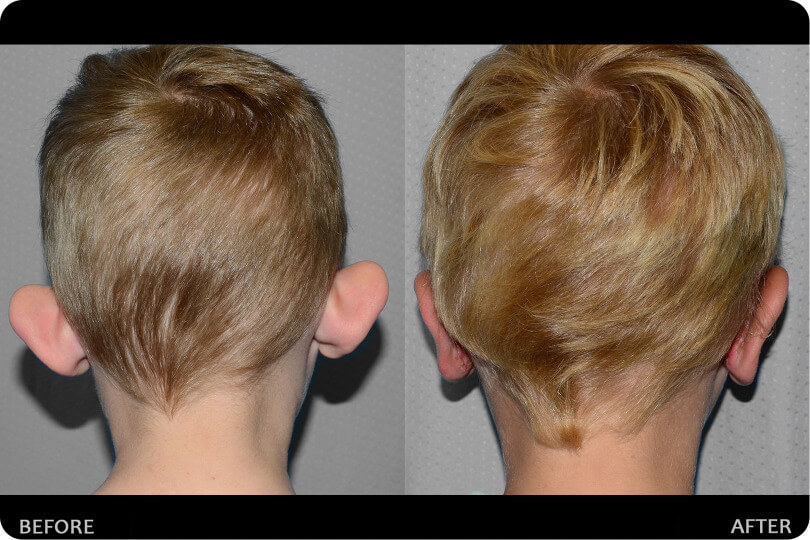
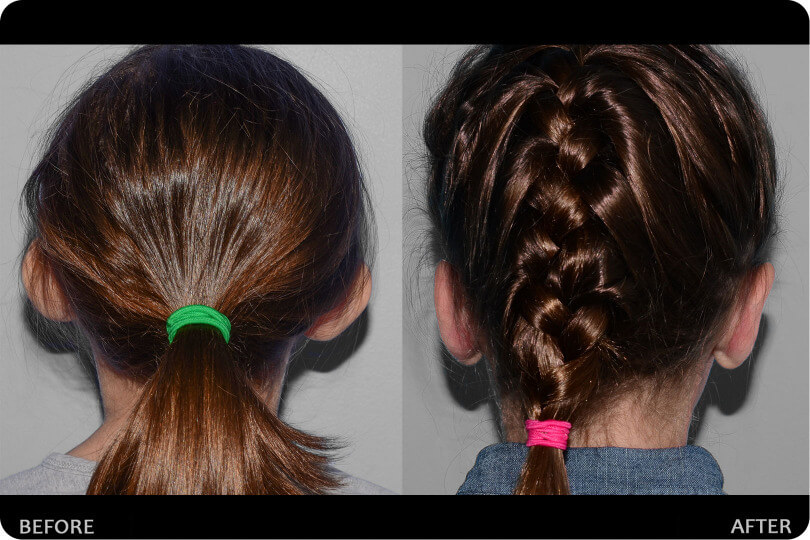
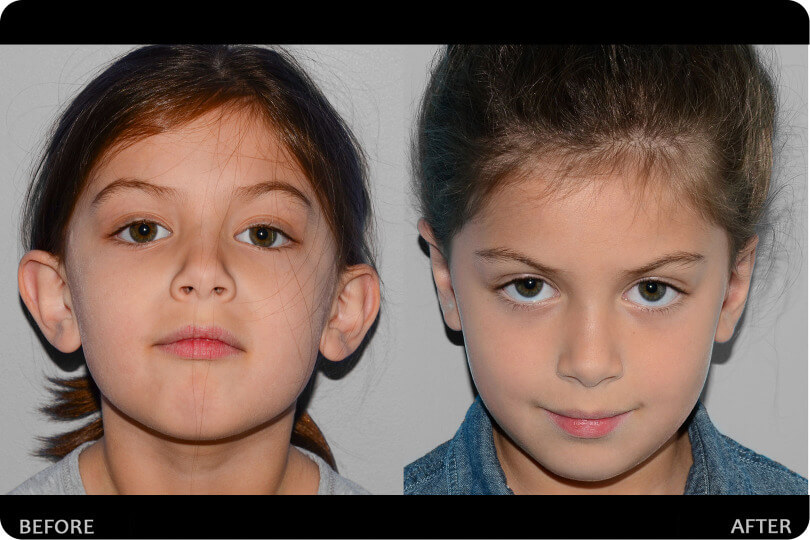

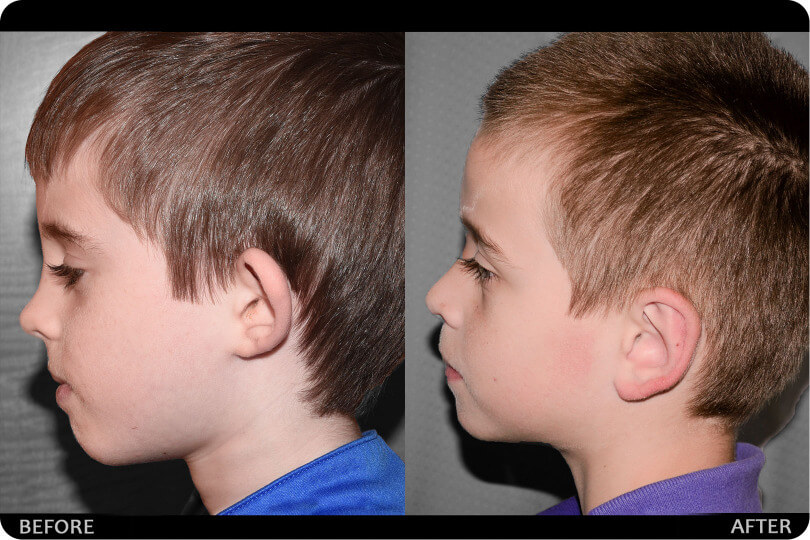
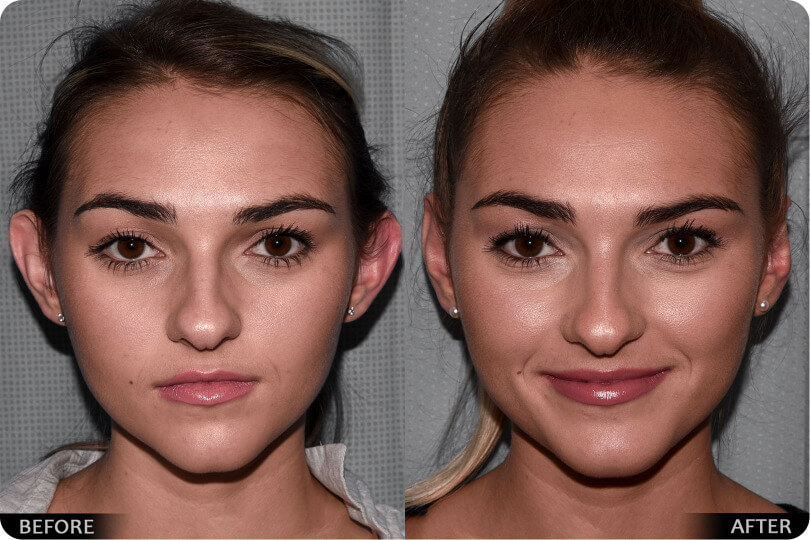
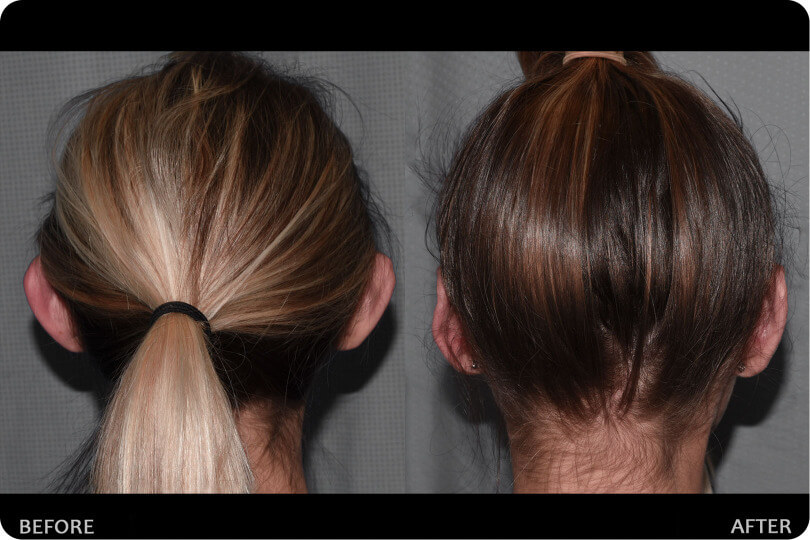
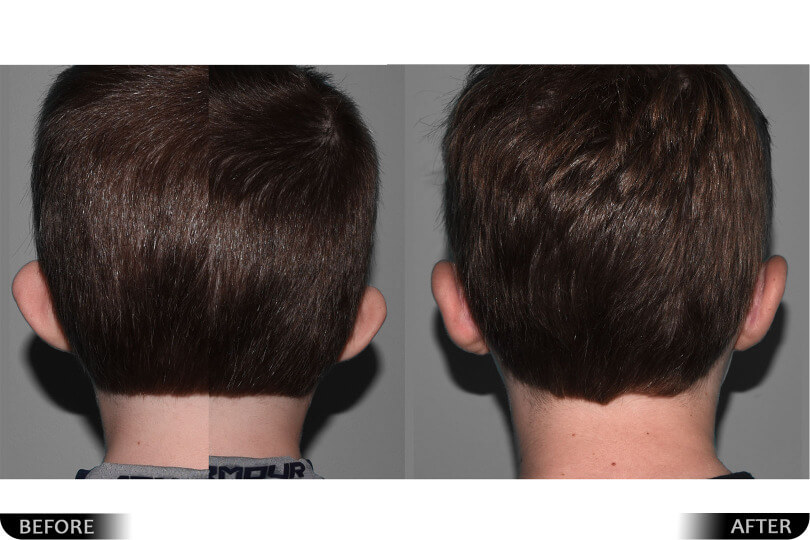
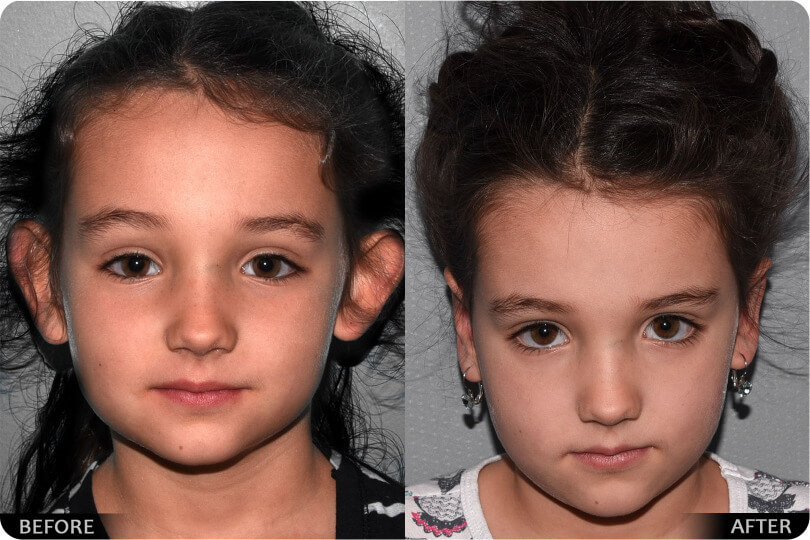
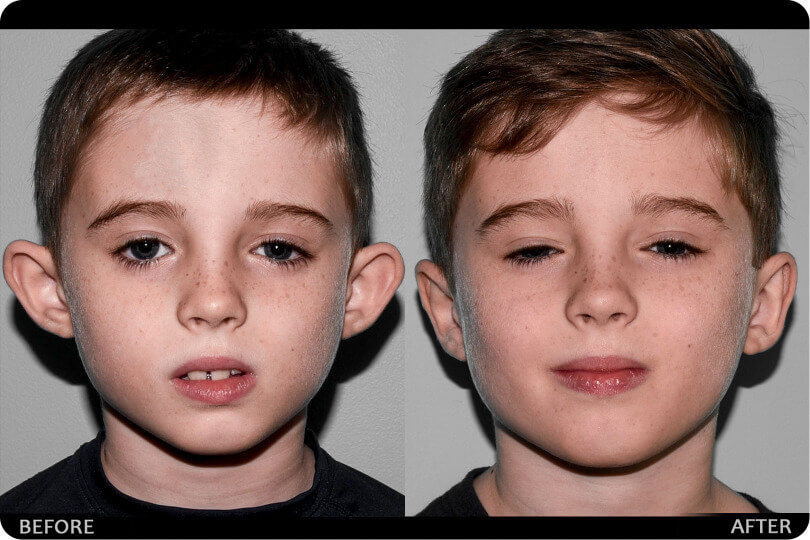
Click here to see the extended photo gallery.
Otoplasty can be done to correct the following:
- Prominent ears
- Ear shape problems
- Large or asymmetric ears
- Disproportionate ears
- Asymmetries or problems from previous ear surgery
- Lop ear, cupped or shell ear, stahl’s ear and unnatural creases
Before the Procedure: What to Expect
Dr. Steinbacher will examine your ears, take measurements, and discuss your goals and objectives. Past history and medical conditions (such as ear infections) that may affect the procedure will be reviewed. We may ask you to avoid certain medications prior to this procedure, and adults will stop smoking. The risks of this procedure are minimal, and we will discuss the risks, benefits at your consultation. We will ensure to be on the same page regarding your expectations and your goals for the procedure.
This is a day surgery where you are in and out as an out-patient. A light general anesthesia is utilized and your ears will be numbed during the procedure, making the pain minimal for the first few hours postoperatively. The approach is behind the ear in the crease, so the scar is well-hidden. Dissolving sutures are used on the skin, and do not need to be removed.
Enjoy symmetrical, aesthetically pleasing ears.
Cosmetic ear surgery can help to make ears that stick out or are malformed or damaged in any cosmetic way look more normal or attractive.
Schedule your ear surgery consultation today.
After the Procedure: How to Recover
To protect and support your ears after surgery, they will place a light “wrap” or bandage. We like to keep this for 5 days and see you to remove it. Sleep with your head elevated and avoid significant pressure overlying the ears. It is helpful to wear loose-fitting collars or button-down shirts for ease on and off over the dressing.
After we remove the dressing, we have you wear a sports or tennis type headband for the next week. Afterwards, you will wear the headband only at night, for a couple months. You can get the sites wet once the initial bandage is removed, and we like gentle warm soap and water, followed by an antibiotic ointment. You will be instructed as to when you can resume school and work, but it is usually soon following surgery. We do ask that you refrain from swimming and diving for at least 6 weeks after otoplasty.

Dr. Derek Steinbacher has devoted his life to aesthetic and life-changing surgery. He is an artistic and meticulous surgeon who draws patients from around the world due to his perspective, unmatched skill, and exceptional results. He is able to uniquely address the face (facelift + rejuvenation), jawline (orthognathic; chin; contouring; implants), nasal (rhinoplasty), eyelids, profile, neck, breast, and body with one-of-a-kind results.
He is a multiple Board-Certified, Fellowship-Trained Plastic, Cosmetic, and Cranio-Maxillofacial Surgeon. He is Fellow of the most prestigious surgical organizations, including the Society of Plastic Surgeons, the American College of Surgeons, the Royal College of Surgeons of Edinburgh, the Academy of Facial Plastic Surgery, Societies of Craniofacial and Maxillofacial Surgery, the Aesthetic Society, and the Rhinoplasty Society. He has served as Full-Professor of Plastic Surgery at Yale, including Director of the Cleft and Craniofacial Program, and Chief of Oral and Maxillofacial Surgery. Dr. Steinbacher has unparalleled training at premier institutions, including Harvard and Johns Hopkins. His perspective brings together the best aspects of many distinct – but related fields – and it is this intersection of scope and expertise, in addition to an artistic eye, which enables excellent comprehensive results.
Dr. Steinbacher's approach: technical acumen, meticulousness, and penchant for combining art and science, together with his eye for balance, beauty, and harmony, helps achieve outcomes that greatly improve a person's confidence, health, and overall quality of life. Patients can trust that they are always in good hands!